
Micklem Primary School
English
English Curriculum
Design:
English has a pre-eminent place in education and in society. A high-quality education in English will teach pupils to speak and write fluently so that they can communicate their ideas and emotions to others and through their reading and listening, others can communicate with them. Through reading in particular, pupils have a chance to develop culturally, emotionally, intellectually, socially and spiritually. Literature, especially, plays a
key role in such development. Reading also enables pupils both to acquire knowledge and to build on what they already know. All the skills of language are essential to participating fully as a member of society; pupils, therefore, who do not learn to speak, read and write fluently and confidently are effectively disenfranchised.
Delivery:
Reading
In Reception and Year 1, reading is taught primarily through daily phonics (see our Phonics page for more information). From Year 2 onwards, children take part in daily guided reading sessions using the VIPERS approach to develop comprehension skills. Texts are carefully matched to ensure stretch and challenge in these sessions. To further support comprehension and fluency, pupils in Key Stage 2 use the Reading Plus online programme three times per week.
In EYFS and Year 1, children take home a reading book linked to our phonics scheme (ELS), which is aligned to the scheme and child’s attainment. From Year 2, we use book bands to ensure that each child takes home a reading book that is appropriately pitched. We expect all children to read at home at least three times per week. Children also have weekly access to the school library, where they can choose an engaging book to enjoy independently.
Writing
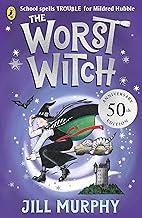
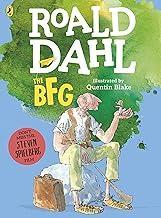
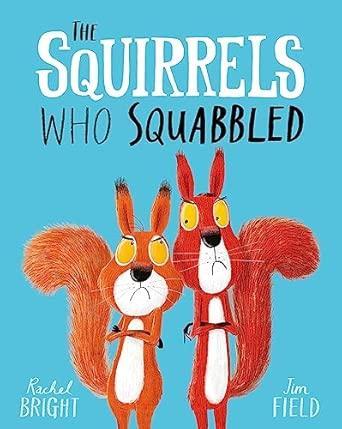
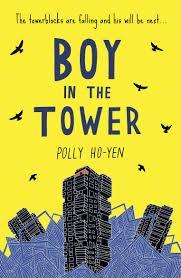
Writing is taught daily for one hour from Year 1 upwards. Lessons are inspired by high-quality, engaging texts, such as Boy in the Tower, The Squirrels Who Squabbled, The Worst Witch, and The BFG. Children explore a range of genres and text types linked to these core texts—for example, writing a potion for The Worst Witch, creating suspense stories inspired by Boy in the Tower, or innovating their own versions of The Squirrels Who Squabbled. Every half-term, pupils produce two or more polished, independent pieces of writing in their independent writing books.
Handwriting
In EYFS and Key Stage 1, children learn print letter formation, taught through our phonics programme. Cursive handwriting is introduced in Year 3 and used throughout Key Stage 2. Children in Years 2–5 participate in a daily handwriting session to develop fluency and consistency.
Spelling and Grammar
We follow the Spelling Shed scheme, adapting lessons to meet the needs of each class. Pupils have a weekly spelling lesson and a weekly online assignment on Spelling Shed. All children from Year 2 upwards have their own Spelling Shed account to support practice at home and in school. Within lessons, teachers highlight spelling errors in green, and children edit and correct these using a green pen, helping them take ownership of their spelling development.
Grammar is taught in a dedicated three-week block within each year group and is also integrated throughout writing lessons to ensure skills are applied in context.
Difference:
By the end of Year 6, children leave as confident, articulate communicators who can speak, read and write with fluency, independence and purpose. They have a deep appreciation of literature and understand how reading broadens their cultural, emotional and intellectual horizons. Pupils can read a wide range of texts with accuracy and insight, drawing on well-developed comprehension skills to infer, explain and retrieve. Their writing is crafted, coherent and tailored to audience and purpose, supported by a secure understanding of grammar, spelling and a legible, fluent cursive handwriting style. Through regular opportunities to write across genres, pupils are able to generate ideas, structure their work effectively and produce polished, high-quality outcomes. Children leave our school equipped with the essential English skills they need to thrive in secondary education and to participate fully and confidently in society.